


Case study
From ‘too big’ to six units shipped — wet scrubbers and fume cabinets for an Indonesian factory
An Indonesian factory with two process problems — stone-crushing dust and acid fumes — needed equipment that fit their existing space. Through close technical work over five months, the scope grew from a single scrubber to six units across four product types, all shipped in one 20-foot container to Jakarta.
- Country
- Indonesia
- Industry
- Industrial manufacturing — stone processing and chemical fume treatment
- Equipment
- PP wet scrubber; PP fume extraction cabinets (2 sizes); cartridge dust collector; fan and control cabinet
- Lead time
- 5.5 months from first enquiry to container shipment
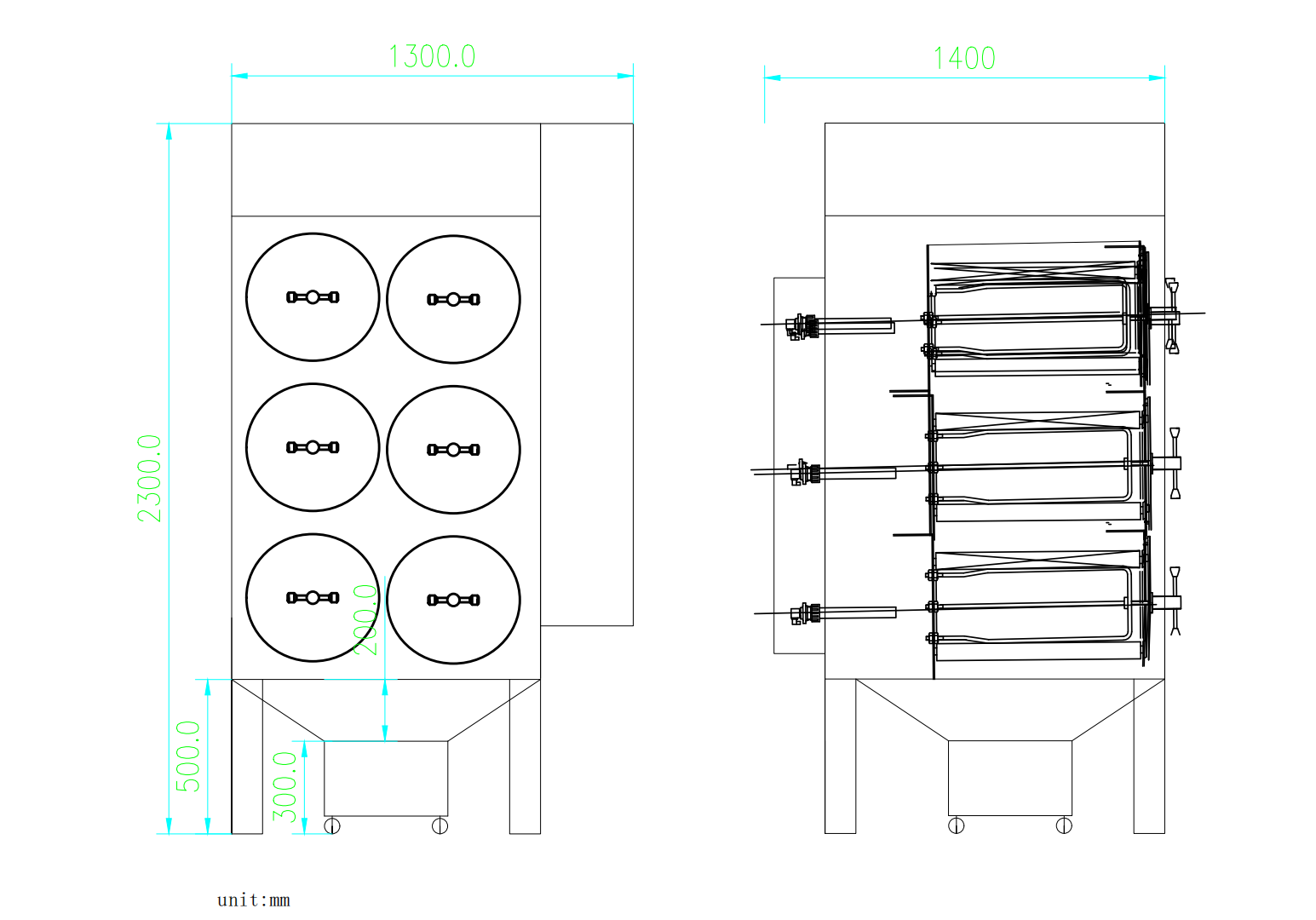
The first message from this Indonesian factory was direct: they needed help with two completely different pollution problems at once. One production line generated stone-crushing dust; another exhausted acidic fumes at around pH 4. Both had to be solved, and both had to fit inside the space they already had. “Your equipment is too big for us,” they said in the early conversations. That sentence set the tone for the next five months.
Why it worked
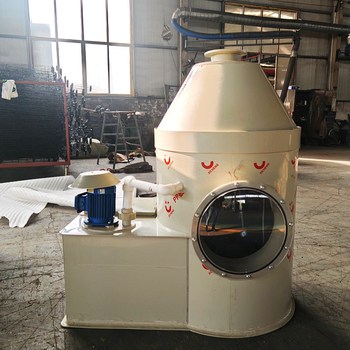
- We started with the smallest viable configuration, not the largest. Rather than quoting standard models, we built the scrubber solution around the minimum footprint that would still handle their acid load — an 800×1 500 mm wet scrubber with a 2.2 kW fan and compact control cabinet. When a customer’s space is the constraint, the answer is a smaller machine, not a longer explanation.
- Every technical question got a direct answer. When the customer asked for dust-collector certification — and specifically noted they did not mean an ISO 9001 management certificate but a product-level equipment certification — we produced the right document. Getting that distinction right early removed a potential hold-up that might otherwise have stalled the order for weeks.
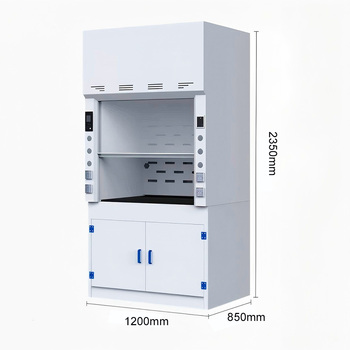
- The scope grew because trust grew. What started as a scrubber enquiry expanded, step by step, to include two PP fume extraction cabinets in two different sizes, plus a cartridge dust collector for the crushing line. Each addition came after the previous scope was confirmed — the customer was testing confidence before committing more.
- The customer revised their own purchase order — upward. After the initial order was placed, they sent a revised PO adding one unit to every line item. Then, a week later, came another message: two more fume cabinets. Six units in total, loaded into a 20-foot container bound for Jakarta.
- Five months of consistent follow-through. From the first Alibaba.com message to the shipping documents, the conversation ran across TM, WhatsApp, and email. Nothing was left unanswered; no enquiry went cold. That consistency is what the customer’s own words later confirmed: “Success customer, good potential for repeat purchase.”
Scope of supply
| Wet scrubber (PP, minimum footprint configuration) | 800×1 500 mm body + 2.2 kW fan + compact control cabinet |
| PP fume extraction cabinet — standard | 1 200×850×2 350 mm, custom-built to drawings |
| PP fume extraction cabinet — wide | 1 500×850×2 350 mm, custom-built to drawings |
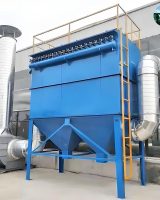
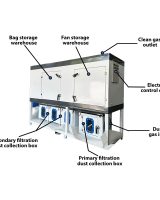
| Cartridge dust collector | 8-cartridge model, 7.5 kW fan, for stone-crushing line |
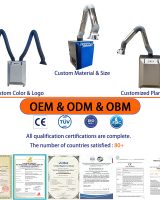
| Equipment certification documentation | product-level certification, per customer specification |
| Shipping documentation | signed commercial invoice, packing list, bill of lading, FORM E for customs clearance |
What we learned
When a customer says your equipment is too large, that is not an objection to price or quality — it is a technical constraint that needs a technical answer. Providing the smallest configuration that genuinely solves the problem is more persuasive than any discount. And when a customer with two different process problems sees both handled with the same level of care, the natural response is to consolidate: more equipment, more lines, one trusted supplier. That is how a single scrubber enquiry becomes a full container.