
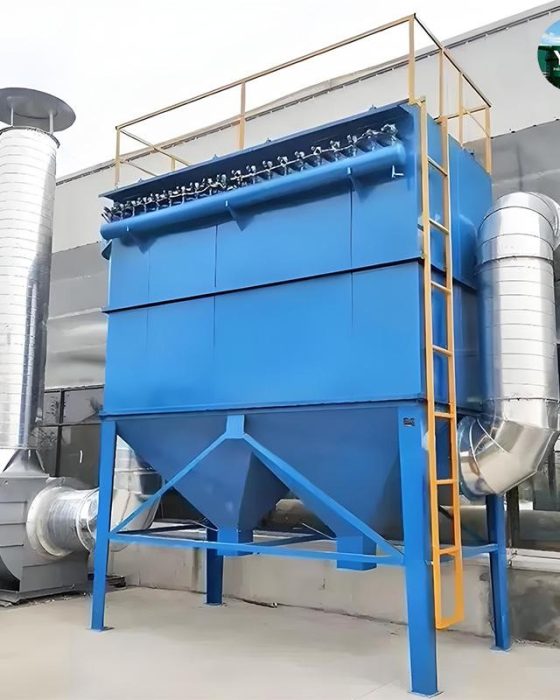
Bag Filter Dust Collector
YT-01MC
Air volume 2,000–25,000 m³/h
View specifications →Core Equipment
 Bag Filter Dust Collector
Air volume 2,000–25,000 m³/h
Bag Filter Dust Collector
Air volume 2,000–25,000 m³/h
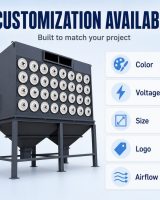 Cartridge Dust Collector
Air volume 5,000–25,000 m³/h
Cartridge Dust Collector
Air volume 5,000–25,000 m³/h
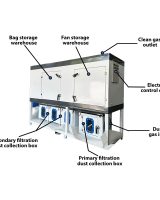 Woodworking Dust Collector
Air volume 4,000–15,000 m³/h
Woodworking Dust Collector
Air volume 4,000–15,000 m³/h
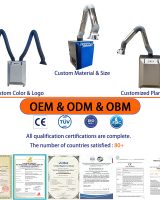 Welding Fume Extractor
Air volume 2,500–3,500 m³/h
Welding Fume Extractor
Air volume 2,500–3,500 m³/h
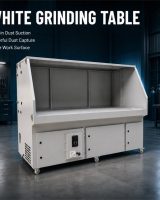 Downdraft Grinding Table
Table width 1.2 – 2.5 m
Downdraft Grinding Table
Table width 1.2 – 2.5 m
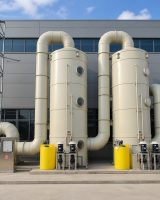 Wet Scrubber
Air volume 5,000–25,000 m³/h
Wet Scrubber
Air volume 5,000–25,000 m³/h
Other Equipment
Not sure which?
Tell us your dust type and air volume and we will size it for you 鈥?usually within one working day.
Get sizing help Read the selection guide →By Industry
Real projects
See how we solved dust problems for factories in Europe, the Caribbean and North Africa.
View case studiesIndustry
Woodworking produces the widest mix of dust of any industry: heavy sawdust and shavings from cutting, fine abrasive sanding dust, and coating overspray. Each needs a different capture point, and the fine fraction is combustible.
| Process stage | Our equipment | What it does |
|---|---|---|
| Machines with hoods and chutes (saws, planers, routers) | Woodworking dust collector or pulse-jet bag filter | Pulls chips and dust away at the source through branch ducting into a central collector, so the shop stays visible and safe. |
| Fine sanding dust that stays airborne | Cartridge collector with fine filter media | Catches the respirable fraction that a chip collector cannot hold. |
| Roof or machine cyclones on pellet/chip lines | Cyclone separator | Drops heavy material before it reaches the filter, protecting media and recycling shavings to storage. |
| Flammable dust handling | Explosion-relief options and antistatic media | Keeps the collector itself from becoming an ignition source. |
YT-01MC
Air volume 2,000–25,000 m³/h
View specifications →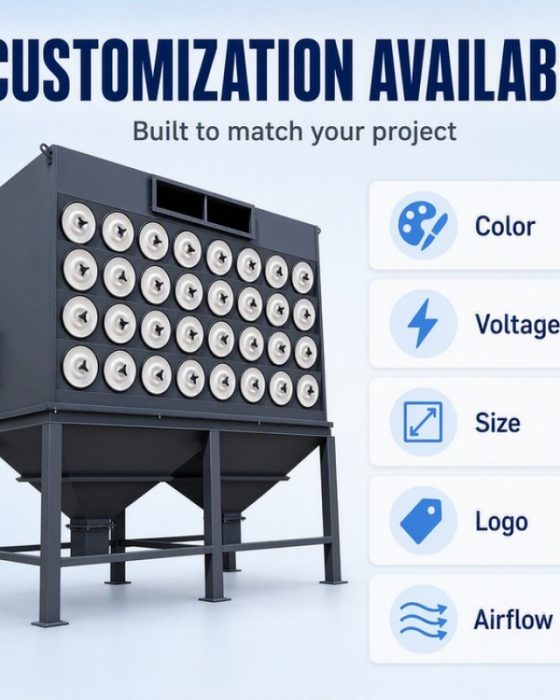
YT-03LTZ
Air volume 5,000–25,000 m³/h
View specifications →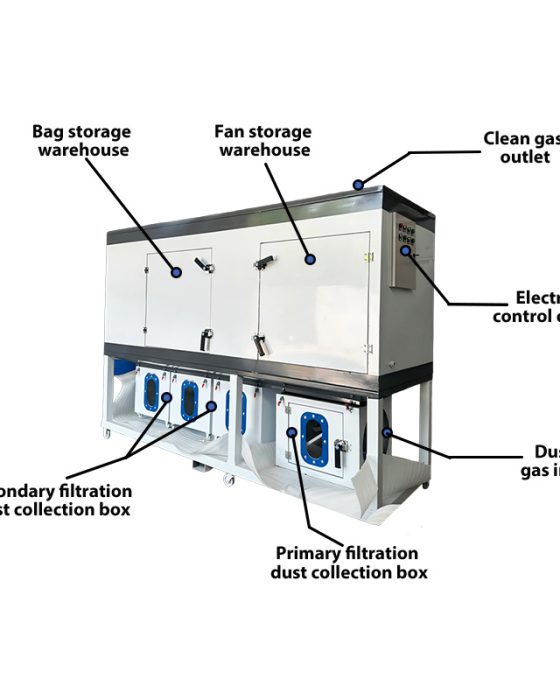
YT-01MC (MG)
Air volume 4,000–15,000 m³/h
View specifications →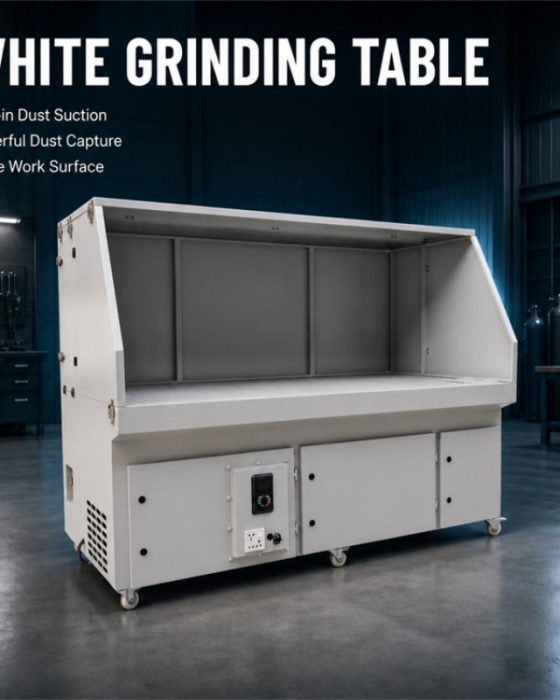
YT-09DG
Table width 1.2 – 2.5 m
View specifications →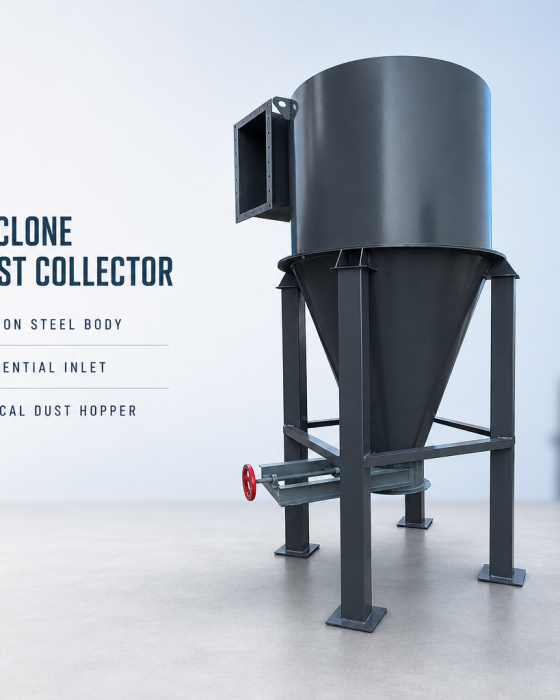
YTXF
Air volume 4,600–23,000 m³/h
View specifications →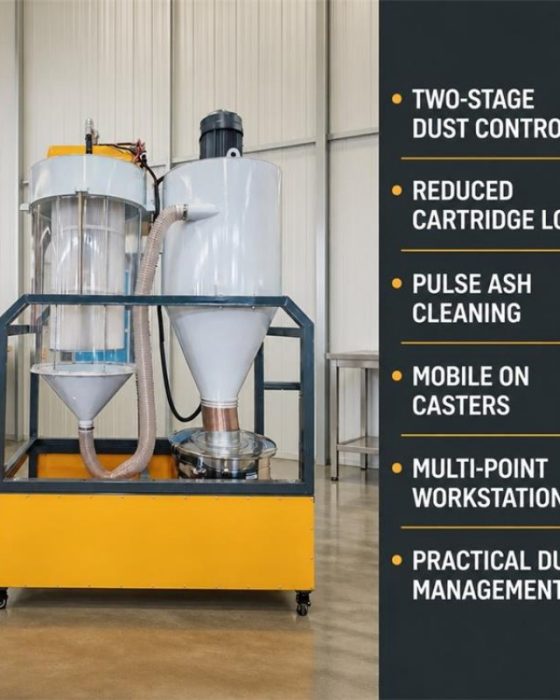
YT-XF-700
Air volume 4,000–14,600 m³/h
View specifications →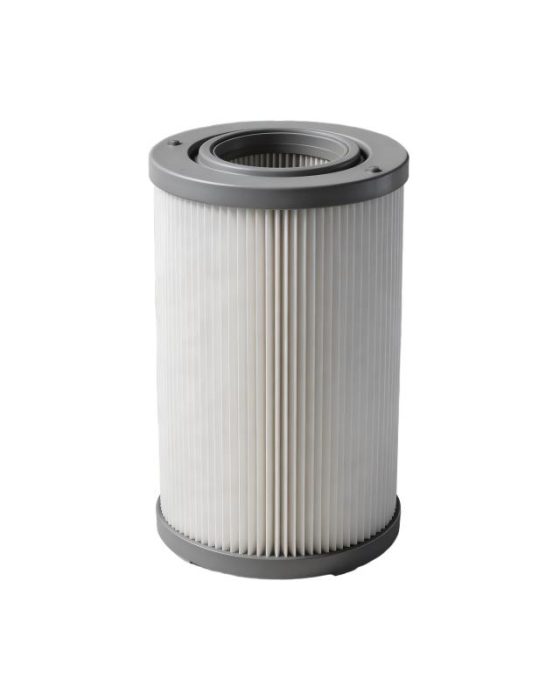
All brands
Trial quantities accepted
View specifications →