
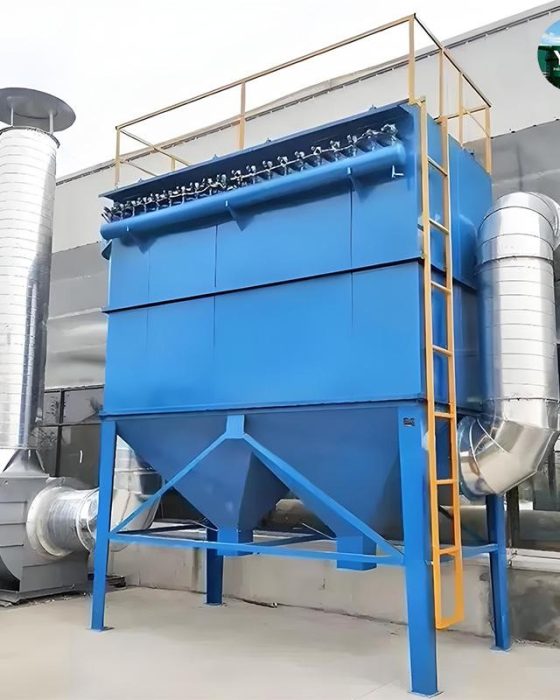
Bag Filter Dust Collector
YT-01MC
Air volume 2,000–25,000 m³/h
View specifications →Core Equipment
 Bag Filter Dust Collector
Air volume 2,000–25,000 m³/h
Bag Filter Dust Collector
Air volume 2,000–25,000 m³/h
 Cartridge Dust Collector
Air volume 5,000–25,000 m³/h
Cartridge Dust Collector
Air volume 5,000–25,000 m³/h
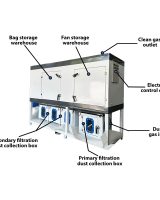 Woodworking Dust Collector
Air volume 4,000–15,000 m³/h
Woodworking Dust Collector
Air volume 4,000–15,000 m³/h
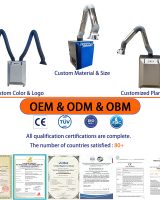 Welding Fume Extractor
Air volume 2,500–3,500 m³/h
Welding Fume Extractor
Air volume 2,500–3,500 m³/h
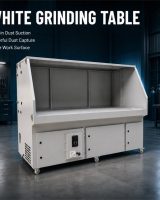 Downdraft Grinding Table
Table width 1.2 – 2.5 m
Downdraft Grinding Table
Table width 1.2 – 2.5 m
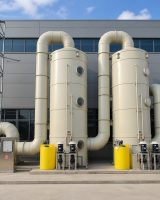 Wet Scrubber
Air volume 5,000–25,000 m³/h
Wet Scrubber
Air volume 5,000–25,000 m³/h
Other Equipment
Not sure which?
Tell us your dust type and air volume and we will size it for you 鈥?usually within one working day.
Get sizing help Read the selection guide →By Industry
Real projects
See how we solved dust problems for factories in Europe, the Caribbean and North Africa.
View case studiesIndustry
Steel and metallurgy plants make dust from every movement of material: furnace charging, scrap cutting, rolling, grinding and finishing. The dust is heavy, abrasive, sometimes hot, and in some zones fine enough to be a metal-dust explosion risk.
| Process stage | Our equipment | What it does |
|---|---|---|
| Furnace charging, ladle and tundish fume | Pulse-jet bag filter or wet scrubber | Captures furnace fume through canopy or direct evacuation hoods before it spreads across the melt shop. |
| Rolling, descaling and oxide dust at transfer points | Bag filter with abrasion-resistant hopper options | Handles heavy, gritty loads; hardened outlets and reinforced hoppers survive scale abrasion. |
| Plasma/oxy cutting, weld grinding and polishing bays | Downdraft grinding table and welding fume extractor | Keeps fine metal fume away from the welder's face and out of neighbouring work cells. |
| Fine metallic dust from machining or finishing | Cartridge collector with spark-prevention inlet | Catches respirable metal fines; spark and ember protection options suit grinding and sawing lines. |
YT-01MC
Air volume 2,000–25,000 m³/h
View specifications →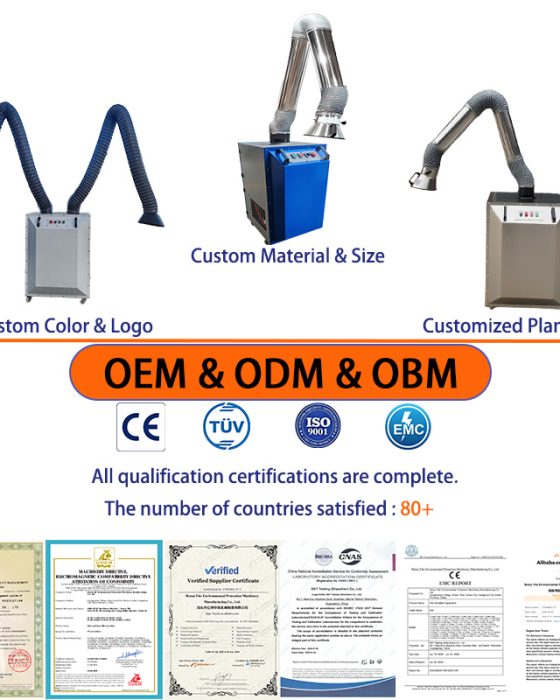
YT-HYSB / YT-HYGB
Air volume 2,500–3,500 m³/h
View specifications →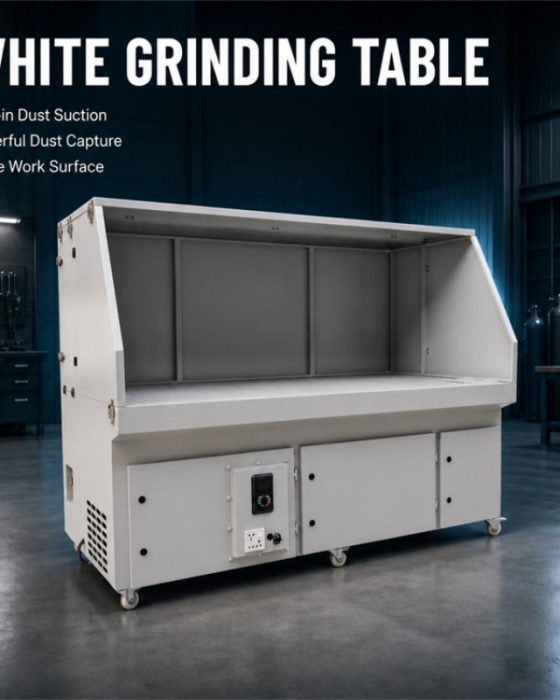
YT-09DG
Table width 1.2 – 2.5 m
View specifications →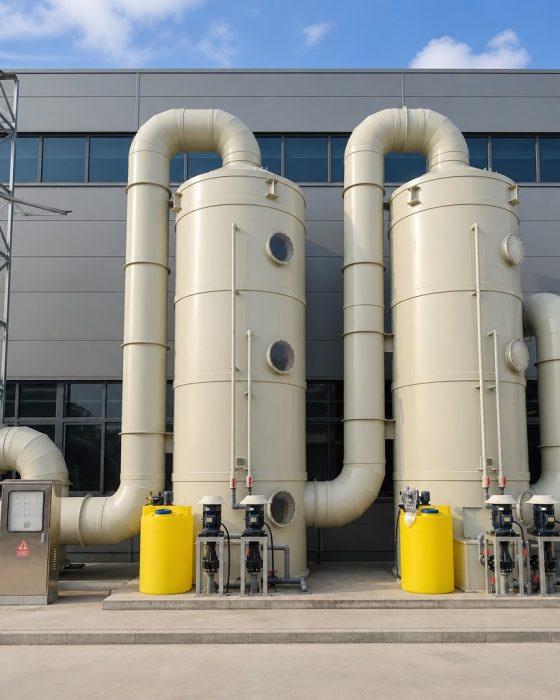
YT-04PL
Air volume 5,000–25,000 m³/h
View specifications →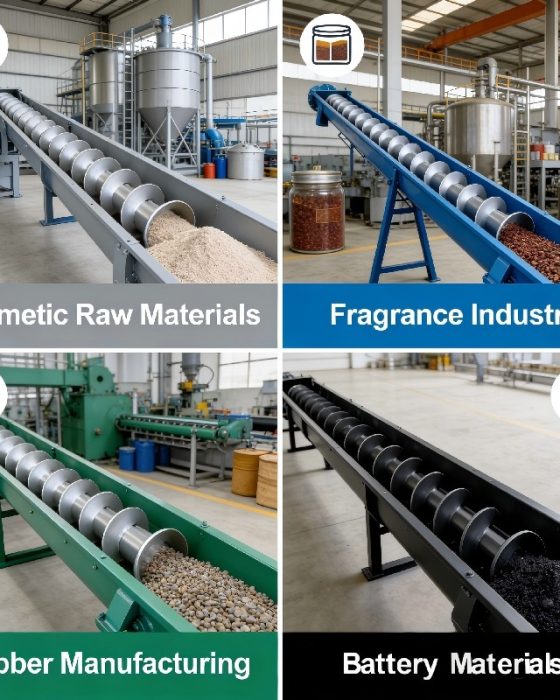
Custom-built
Shafted and shaftless
View specifications →Custom-built
Made to order
View specifications →