
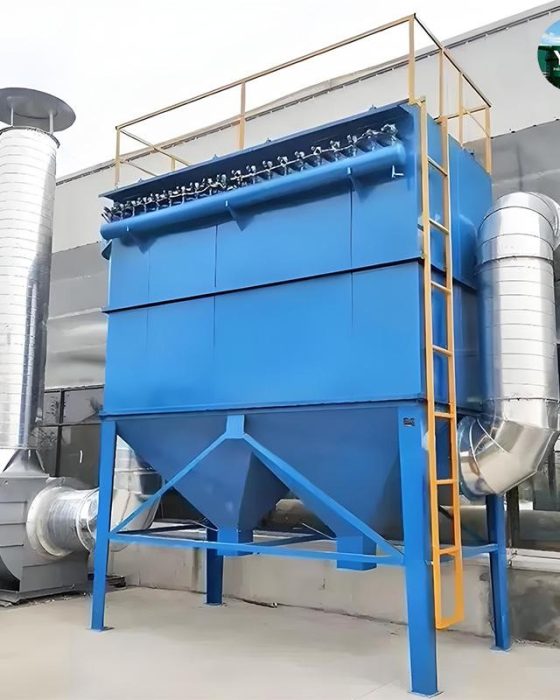
Bag Filter Dust Collector
YT-01MC
Air volume 2,000–25,000 m³/h
View specifications →Core Equipment
 Bag Filter Dust Collector
Air volume 2,000–25,000 m³/h
Bag Filter Dust Collector
Air volume 2,000–25,000 m³/h
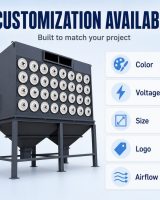 Cartridge Dust Collector
Air volume 5,000–25,000 m³/h
Cartridge Dust Collector
Air volume 5,000–25,000 m³/h
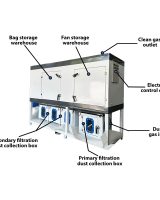 Woodworking Dust Collector
Air volume 4,000–15,000 m³/h
Woodworking Dust Collector
Air volume 4,000–15,000 m³/h
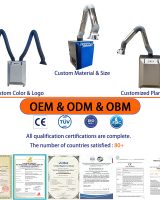 Welding Fume Extractor
Air volume 2,500–3,500 m³/h
Welding Fume Extractor
Air volume 2,500–3,500 m³/h
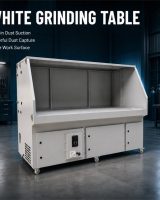 Downdraft Grinding Table
Table width 1.2 – 2.5 m
Downdraft Grinding Table
Table width 1.2 – 2.5 m
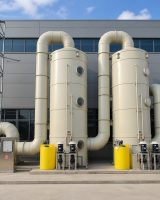 Wet Scrubber
Air volume 5,000–25,000 m³/h
Wet Scrubber
Air volume 5,000–25,000 m³/h
Other Equipment
Not sure which?
Tell us your dust type and air volume and we will size it for you 鈥?usually within one working day.
Get sizing help Read the selection guide →By Industry
Real projects
See how we solved dust problems for factories in Europe, the Caribbean and North Africa.
View case studiesIndustry
Food and grain processing handles some of the most explosive dust in industry. Grain dust, flour, starch and sugar become airborne at every transfer and grind, and the fine fraction needs only a small ignition source to flash. The same dust also carries allergens and spoils product if it settles into open lines.
| Process stage | Our equipment | What it does |
|---|---|---|
| Receiving pits, elevators and transfer points | Cyclone separator ahead of a bag filter | Drops the coarse fraction first, returning product to the process, then filters the fines to atmosphere. |
| Milling, grinding and pneumatic conveying filter receivers | Pulse-jet bag filter with explosion-relief options | Keeps dust inside the process loop; venting and antistatic media are built for your dust-explosion review. |
| Batching, weighing and packaging rooms | Cartridge collector | Holds respirable dust at source so it cannot settle onto open product or packaging. |
| Oily or sticky dust and odour from fryer or flavour lines | Wet scrubber | Handles moist, greasy or odorous exhaust that dry filters would blind or pass through. |
YT-01MC
Air volume 2,000–25,000 m³/h
View specifications →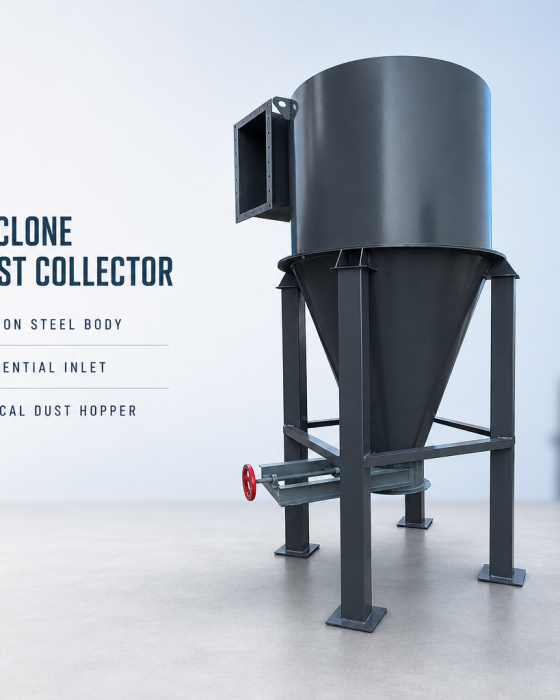
YTXF
Air volume 4,600–23,000 m³/h
View specifications →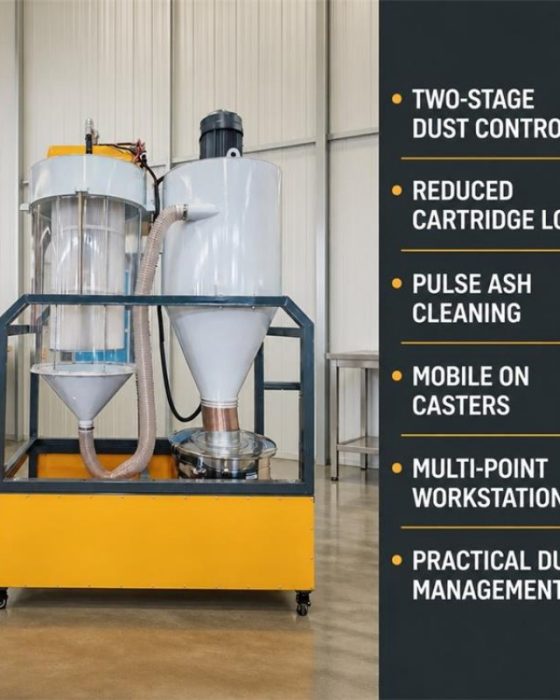
YT-XF-700
Air volume 4,000–14,600 m³/h
View specifications →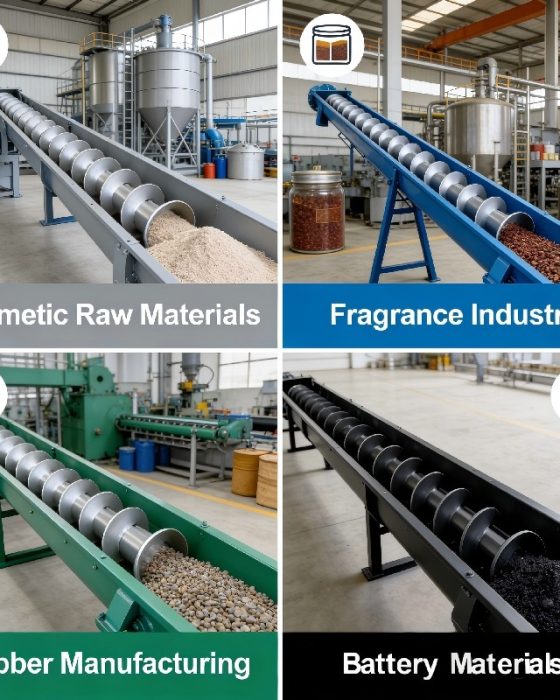
Custom-built
Shafted and shaftless
View specifications →