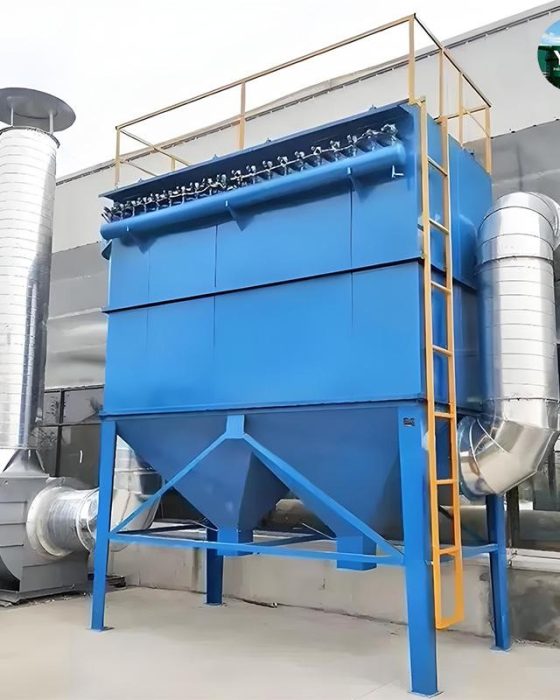
Bag Filter Dust Collector
YT-01MC
Air volume 2,000–25,000 m³/h
View specifications →Core Equipment
 Bag Filter Dust Collector
Air volume 2,000–25,000 m³/h
Bag Filter Dust Collector
Air volume 2,000–25,000 m³/h
 Cartridge Dust Collector
Air volume 5,000–25,000 m³/h
Cartridge Dust Collector
Air volume 5,000–25,000 m³/h
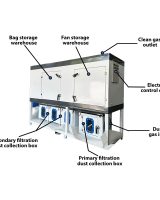 Woodworking Dust Collector
Air volume 4,000–15,000 m³/h
Woodworking Dust Collector
Air volume 4,000–15,000 m³/h
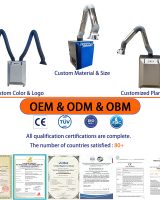 Welding Fume Extractor
Air volume 2,500–3,500 m³/h
Welding Fume Extractor
Air volume 2,500–3,500 m³/h
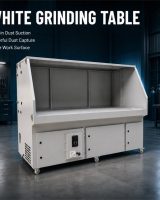 Downdraft Grinding Table
Table width 1.2 – 2.5 m
Downdraft Grinding Table
Table width 1.2 – 2.5 m
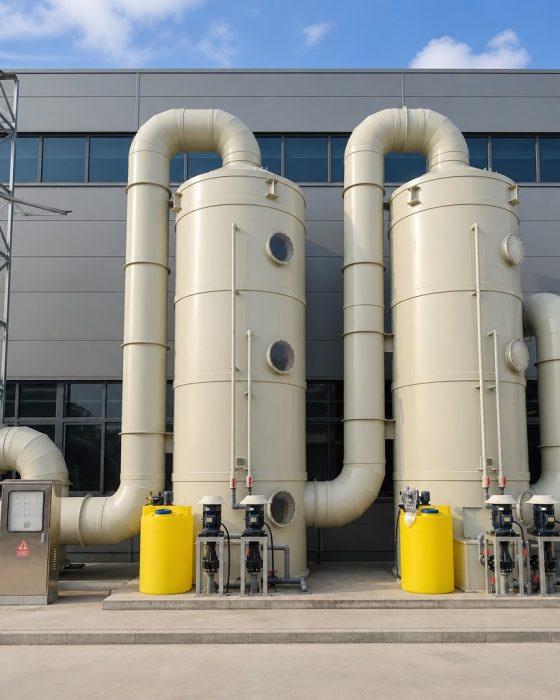
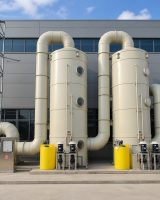 Wet Scrubber
Air volume 5,000–25,000 m³/h
Wet Scrubber
Air volume 5,000–25,000 m³/h
Other Equipment
Not sure which?
Tell us your dust type and air volume and we will size it for you 鈥?usually within one working day.
Get sizing help Read the selection guide →By Industry
Real projects
See how we solved dust problems for factories in Europe, the Caribbean and North Africa.
View case studiesIndustry
Power and waste-to-energy plants handle two very different dust problems. Fuel handling — coal, biomass or refuse-derived fuel — releases combustible dust from the receiving bay to the boiler feed. And flue-gas treatment creates fine ash and reagent dust that must be captured to the strictest limits.
| Process stage | Our equipment | What it does |
|---|---|---|
| Coal/RDF crushers, screens and transfer points | Pulse-jet bag filter with explosion-relief options | Captures combustible fuel dust at each source; venting and antistatic media suit the dust class. |
| Boiler house and day-silo vents | Cartridge collector | Keeps silo and feed areas clean with compact, low-maintenance units. |
| Flue-gas dedusting after sorbent injection | Pulse-jet bag filter (with gas conditioning upstream) | Removes ash and reagent dust ahead of the stack; inlet temperature is conditioned to suit the filter media. |
| Waste bunker odour and ammonia slip scrubbing | Wet scrubber | Washes odorous and acidic components from extracted bunker air before discharge. |
| Ash silo vents and residue handling | Bag or cartridge vent filter | Keeps fine ash inside the silo and out of the plant atmosphere. |